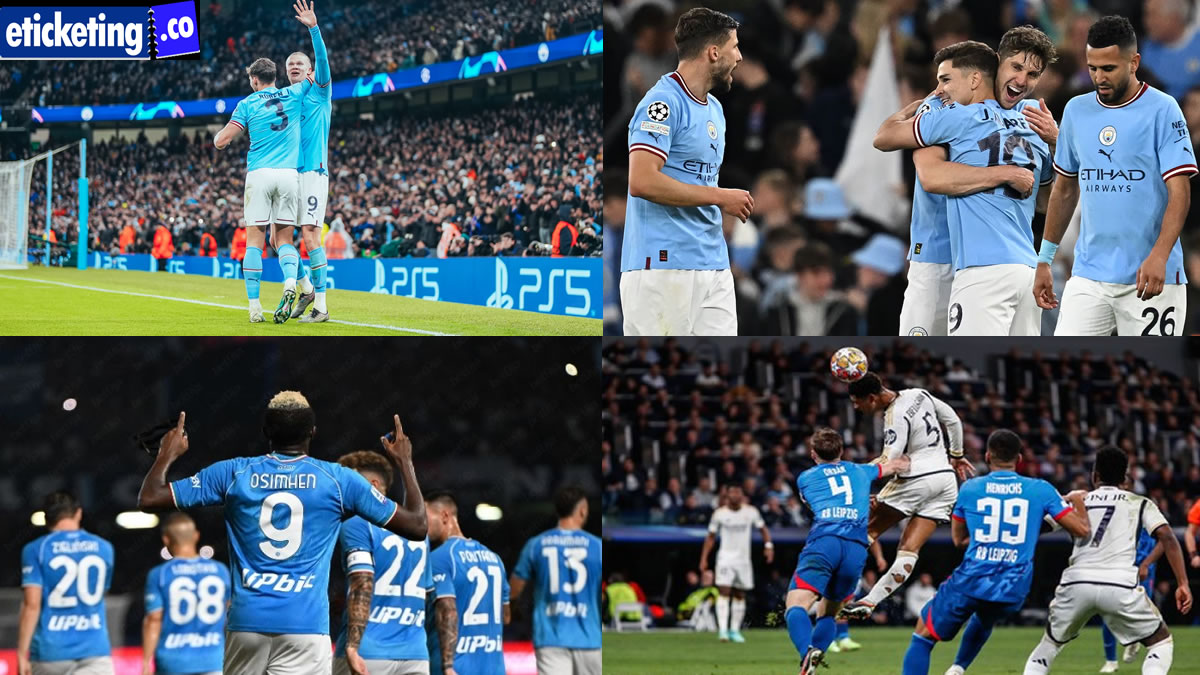
Champions League Final 2026: The Champions League league phase concluded with a dramatic final matchday. As 18 matches were played simultaneously to bring the first stage of the new 36-team format to a close. Each club played eight league-phase fixtures, with consistency across those matches determining their fate. At the end of the phase, 12 teams were eliminated from the competition altogether.
Eticketing.co gives football supporters the opportunity to buy Champions League Final 2026 Tickets at unbeatable prices. Fans can take advantage of exclusive offers, ensuring they reserve their seats for the most important match of the year without straining their budget. Enjoy a streamlined ticket-buying experience and feel the excitement of the final showdown with us.
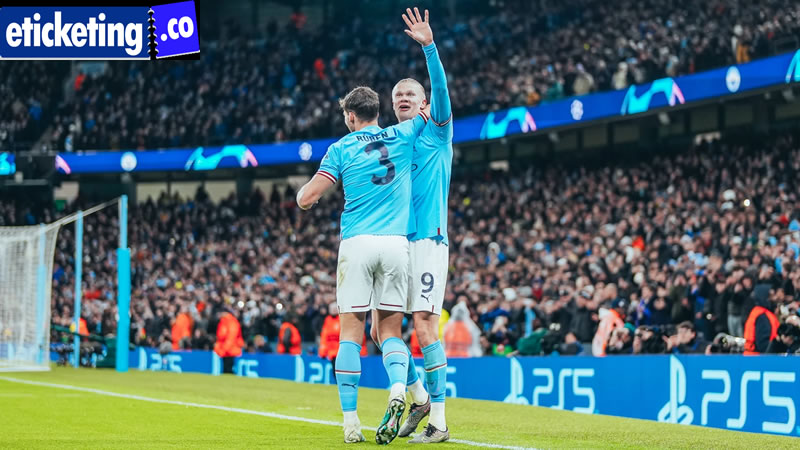
The top eight clubs in the final standings qualified directly for the Round of 16. Securing a significant structural advantage on the road to the Champions League Final 2026. Teams finishing between ninth and 24th entered a two-legged playoff round. Only eight advance to join the top seeds in the knockout stage. From the Round of 16 onward, the tournament resumes its traditional knockout format, ultimately culminating in the Final.
Final rankings in the league phase were decided first by total points. When teams were level, UEFA applied a strict sequence of tiebreakers, including goal difference and goals scored. The disciplinary records to determine precise positions. These rankings carry major sporting and financial consequences, influencing not only qualification. Also, the difficulty of each club’s route toward the Champions League Final.
Structure, Revenue, and the Advantage of Early Placement on the Road to the 2026 Final
The draw for the playoff round and the full knockout bracket. Which will define the pathway to the 2026 Final, which is scheduled for Friday, January 30. Unlike domestic cup competitions, financial arrangements in the Champions League are centrally regulated by UEFA. Matchday revenues, broadcasting income, and prize money are distributed accordingly. To the fixed competition rules, ensuring that no individual agreements between clubs can alter them.
Eticketing.co provides football fans with the opportunity to purchase FIFA World Cup Tickets at unbeatable prices. Fans can take advantage of exclusive discounts, ensuring they secure their seats for the biggest match of the year without breaking the bank. Explore a seamless ticket- experience and enjoy the thrill of the Last Battle with us.
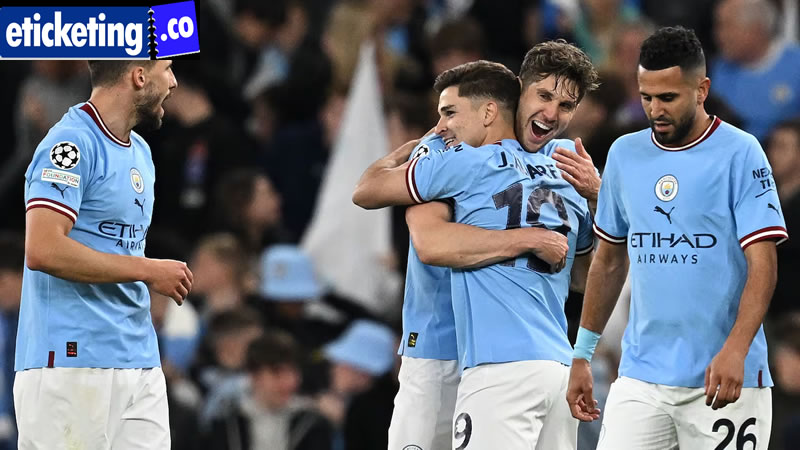
The economic balance of the tournament. This centralised control reinforces the Champions League Final. As a globally standardised event rather than a negotiable occasion between participating teams. Under the new format, the league phase is not a warm-up. It is the foundation of the Final’s competitive narrative. Finishing in the top eight avoids the playoff round entirely, reducing fixture congestion and preserving squad fitness.
Historically, Champions League finalists tend to come from teams. That face fewer total matches, making early placement a decisive advantage. The format subtly favours clubs with deeper squads and elite consistency, reinforcing. The Champions League’s role is as a competition of sustained excellence rather than short bursts of form. UEFA competition regulations make it clear that clubs participating.
Centralised Revenue and the End of Negotiation on the Road to the 2026 Final
In the Champions League cannot enter into private agreements. That alters revenue-sharing arrangements or competition obligations. Unlike domestic cups, where gate receipts have historically played a major role in sustaining smaller clubs. The Champions League operates under a fully centralized financial model. In domestic football, cup ties against elite opposition once represented. A financial windfall for lower-league teams.
However, the removal of replays and declining ticket affordability have reduced. The economic value of those occasions. Even matches played before large crowds no longer guarantee transformative income. Highlighting the fragility of gate-dependent models. By contrast, the Champions League, and particularly the pathway to the Champions League Final 2026. It is insulated from such volatility. Revenue from broadcasting and sponsorship.
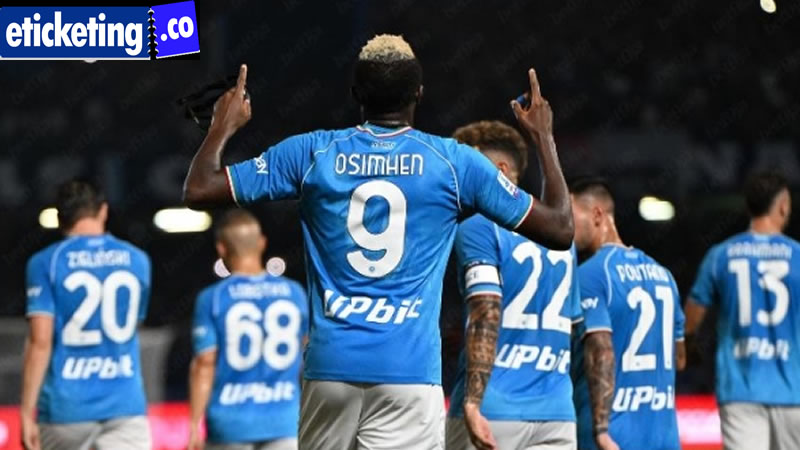
And prize money is centrally controlled by UEFA and distributed. According to fixed performance-based criteria. Clubs cannot negotiate matchday income independently, nor can goodwill gestures override competition rules. This structure ensures that financial outcomes are directly tied to sporting progression. Rather than circumstance or opponent. Advancement toward the Final is rewarded through standardised UEFA payments.
The Champions League Final 2026 Belongs to Institutions, Not Moments
Reinforcing competitive integrity and preserving. The Final is a global commercial event rather than a localised financial opportunity. At the elite managerial level, speculation and commercial influence continue. To surround the Champions League’s biggest institutions. However, even amid persistent links between top managers. And clubs synonymous with the Final, UEFA’s framework ensures that no individual relationship.
An agent, or financial arrangement, can alter the competition’s structural balance. Managerial speculation and agent influence remain part of the Champions League ecosystem. Especially around clubs synonymous with Finals. But unlike domestic competitions. No off-field manoeuvring can rewrite the structure of the tournament itself. The Champions League Final exists above individuals. It is the culmination of a regulated, globalised system.
That rewards longevity, depth, and sustained excellence. Domestic cup football still trades on romance and opportunity. The Champions League Final 2026 trades on structure, certainty, and scale. That distinction explains why the Champions League continues to concentrate power at the top. Why reaching the Final is no longer just a footballing achievement. But proof of institutional strength.
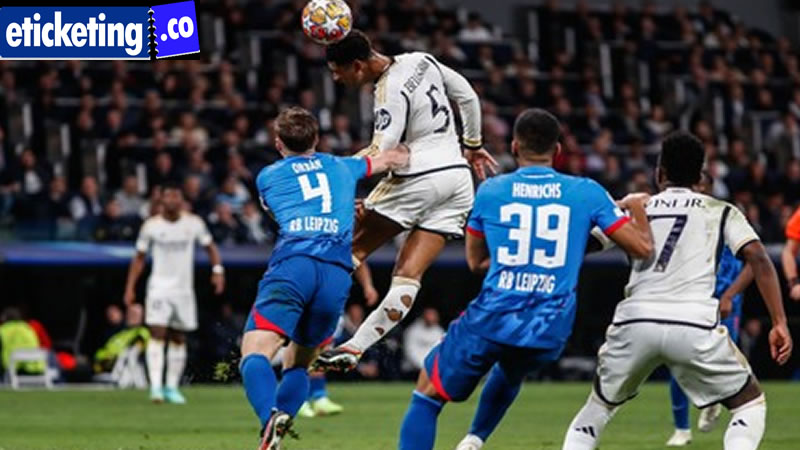
Institutional Strength and the Predictability of the 2026 Final
As a result, gate receipts play an almost negligible role in determining success at the Champions League level. Matchday income is marginal compared to UEFA distributions. The competition and financial outcomes are effectively locked in regardless of stadium size or ticket allocation. The Champions League Final 2026 is therefore not dependent. On local economics or one-off financial windfalls. It is a broadcast-first, globally monetised event.
The significance is shaped months earlier by league-phase positioning and knockout seeding. Institutional depth rather than by the spectacle of the final occasion itself. This centralised model also explains why the Champions League consistently produces the same type of finalists. The expanded format amplifies fatigue, punishes thin squads. And rewards clubs capable of absorbing injuries, fixture congestion, and tactical repetition.
The Champions League filters unpredictability over time. It concludes that the remaining clubs are not merely the most inspired but the least fragile. The Final becomes a demonstration of organizational endurance rather than emotional momentum. Speculation around elite managers, powerful agents, and high-profile appointments creates. The impression of chaos at the top of the game, these narratives rarely alter the competition’s structural outcome.
We provide Champions League tickets for fans, offering a chance to secure Champions League Final 2026 tickets through our trusted online marketplace. Eticketing.co is dedicated to celebrating the excitement of this epic showdown and is your most reliable source for booking Champions League Final tickets.