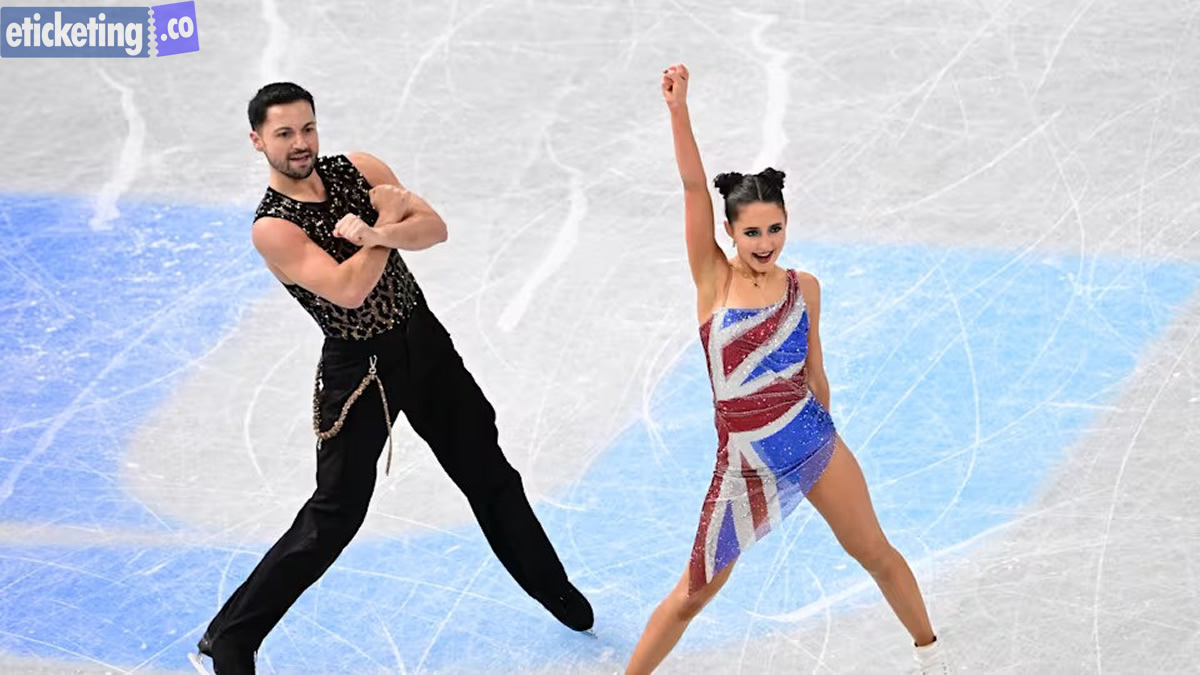
Lilah Fear and Lewis Gibson are no longer skating toward approval. They are skating from conviction. As they enter what they have openly described as their owning-it era, the British ice dance team has embraced a shift that goes beyond programs, costumes, or choreography within elite Winter Olympic figure skating. It is a mindset change—one rooted in confidence, self-acceptance, and a refusal to dilute identity for the sake of conformity in a discipline where individuality is often quietly negotiated.
Olympic 2026 fans worldwide can book Olympic Figure Skating Tickets from our online platforms e-ticketing. co. Fans can book Olympic Tickets on our website at discounted prices. Experience the thrill of the Games in Milano Cortina and support your favorite athletes as they compete for glory.
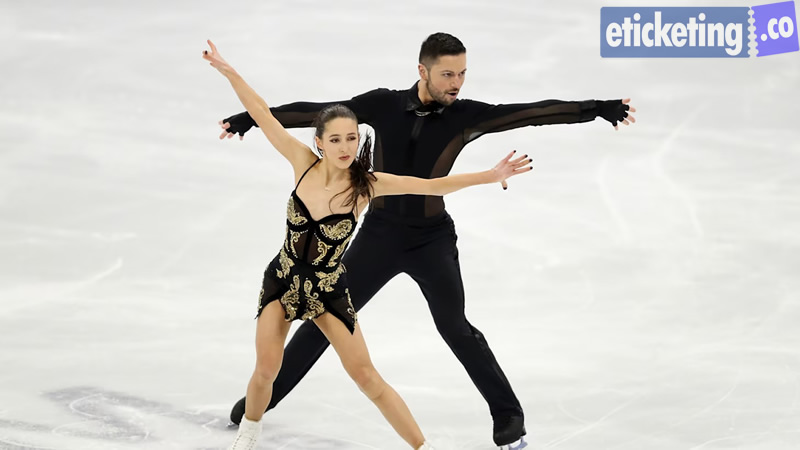
In a discipline that often rewards subtlety and tradition, Fear and Gibson stand out precisely because they no longer try to blend in. Their skating has become bolder, their expression more deliberate, and their choices unmistakably their own. This evolution has not happened overnight. It is the product of years spent navigating expectations, external judgment, and the internal pressure that comes with representing a nation eager for global relevance in Winter Olympic figure skating.
Winter Olympic Figure Skating: Momentum, Identity, and the Risk of Conformity
Fear and Gibson’s rise was marked by rapid momentum. Their speed, musicality, and distinctive chemistry brought them international attention, positioning them as a fresh and exciting presence in ice dance. Yet early success often carries an unspoken challenge: learning how to belong without losing individuality.
For a time, that balance was delicate. Like many teams climbing the ranks, they faced the temptation to smooth edges, to align more closely with established styles that historically scored well. But as their experience deepened, so did their understanding that authenticity—not imitation—was their greatest strength. You Can Read Winter Olympic 2026 Kamila Valiyeva Ban Confirmed A Turning Point for Olympic Figure Skating
Ice Dance and the Pressure to Conform
Ice dance is as much cultural as it is technical. Trends shift slowly, and teams often feel pressure to fit within accepted frameworks of elegance, restraint, and narrative subtlety. Standing apart can invite scrutiny as easily as praise.
Fear and Gibson have chosen to accept that risk. Their owning it era reflects a conscious decision to stop second-guessing whether their choices are too loud, too playful, or too unconventional. Instead, they have leaned fully into the qualities that define them—sharp rhythm, expressive performance, and an unapologetic sense of self.
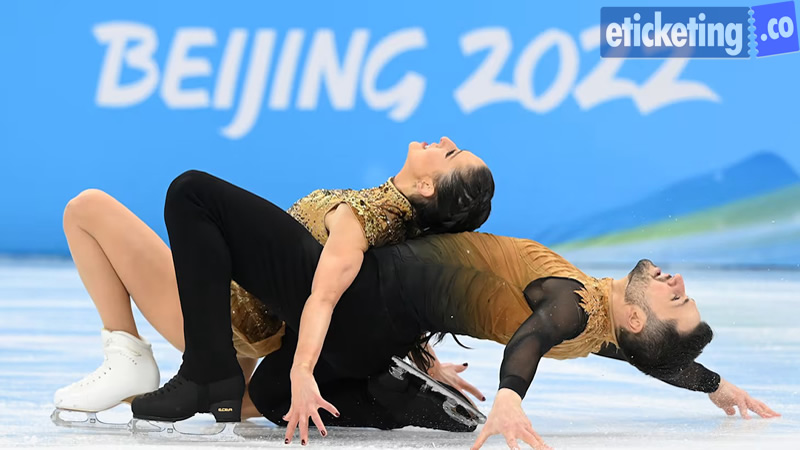
Winter Olympic 2026: British Identity as a Strength, Not a Limitation
For decades, British ice dance existed on the fringes of global dominance. Fear and Gibson have redefined what it means to skate under the British flag, treating national identity as a creative asset rather than a constraint.
Their programs increasingly reflect confidence in who they are and where they come from. Rather than chasing validation through imitation, they have embraced a distinctly modern British energy—bold, witty, and self-aware. That clarity of identity has become central to their competitive narrative.
Chemistry Built on Trust and Growth
Ice dance partnerships thrive on trust, and Fear and Gibson’s evolution has been deeply collaborative. Growth has come not from one leading the other, but from shared commitment to honesty—about strengths, weaknesses, and creative direction.
Their “owning it” era is built on mutual belief. Each skater commits fully, knowing the other will match intensity and intention. That confidence translates directly into performance quality, allowing them to skate with freedom rather than restraint.
Winter Olympic 2026: Performance as Statement, Not Just Execution
In recent seasons, Fear and Gibson’s performances have felt less like attempts to impress and more like statements of presence. Musical interpretation has sharpened, transitions have grown bolder, and choreography feels intentionally expressive rather than cautious.
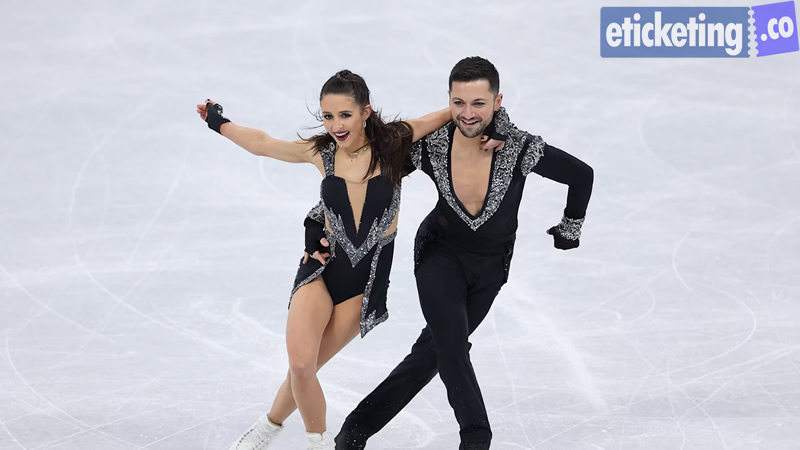
This shift reflects maturity. Instead of asking how a program will be received, they skate as if the answer no longer defines its value. Judges and audiences may interpret differently, but the performance itself is complete in its conviction.
Navigating Criticism Without Losing Direction
Visibility brings critique, and Fear and Gibson are no exception. Their style invites conversation, sometimes polarized, about what ice dance “should” look like. Entering their owning-it era has meant accepting that not every reaction will be positive—and being comfortable with that reality.
Rather than reacting defensively, they have chosen consistency. Programs are refined, not reshaped. Identity is sharpened, not softened. This resilience signals an important psychological milestone: the ability to absorb feedback without surrendering direction.
The Technical Foundation Beneath the Boldness
Confidence without substance rarely lasts. What allows Fear and Gibson to own their style is a technical base that continues to strengthen. Speed across the ice, precision in step sequences, and improved control in lifts support their expressive ambition.
Their evolution has been holistic. Technical development has not been sacrificed for personality; instead, it has been used to amplify it. That balance positions them well within a judging system that still demands execution alongside expression.
An Olympic Cycle Framed by Authenticity
As the Olympic cycle advances, Fear and Gibson’s timing feels deliberate. This is not a last-minute reinvention, but a carefully timed alignment of confidence, experience, and creative clarity.
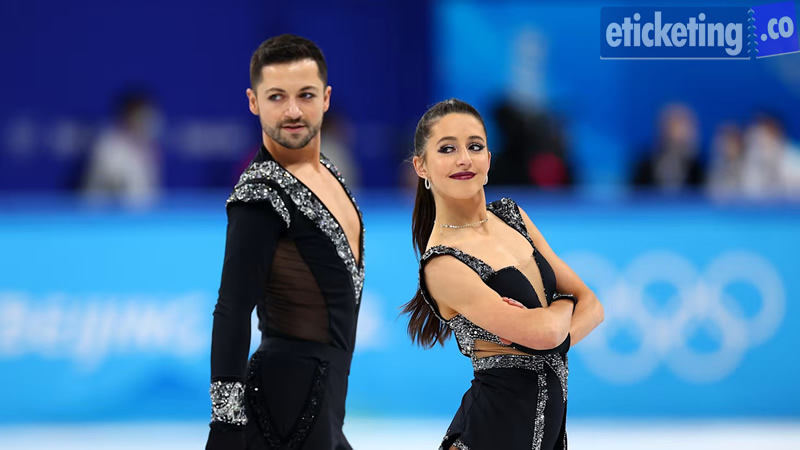
Olympic ice dance often rewards teams who arrive with a clear identity rather than a safe one. Fear and Gibson’s commitment to their owning-it era suggests an understanding of that truth. They are not trying to please everyone—they are trying to skate as themselves, completely.
Winter Olympic 2026: Redefining Success on Their Own Terms
Success, for Fear and Gibson, is no longer defined solely by placement. While competitive ambition remains strong, fulfillment increasingly comes from alignment—between intention and execution, between identity and performance.That redefinition does not diminish their drive; it refines it. Skating freely allows them to compete with less fear, less hesitation, and greater presence. In a sport where confidence is visible, that shift matters.
Olympic 2026 fans worldwide can book Winter Olympic Tickets from our online platforms eticketing.co Fans can book Olympic Tickets on our website at discounted prices. Experience the thrill of the Games in Milano Cortina and support your favorite athletes as they compete for glory.
Inspiring a New Generation of British Skaters
Their evolution carries significance beyond medals. Fear and Gibson represent a version of British skating that encourages individuality, creativity, and emotional honesty. For younger skaters watching, their message is clear: success does not require erasure of self. By owning who they are, they expand the possibilities of what British ice dance can look like on the world stage.
Winter Olympic Figure Skating: Confidence as Competitive Currency
In elite sport, authenticity is often framed as a risk. In Winter Olympic figure skating, where conformity has long been rewarded, Fear and Gibson are proving it can also be a competitive advantage. Confidence sharpens execution. Belief steadies nerves. Identity anchors performance under pressure. Their owning-it era is not about defiance for its own sake—it is about clarity. Knowing who they are allows them to skate with intention rather than hesitation, turning self-expression into competitive stability.
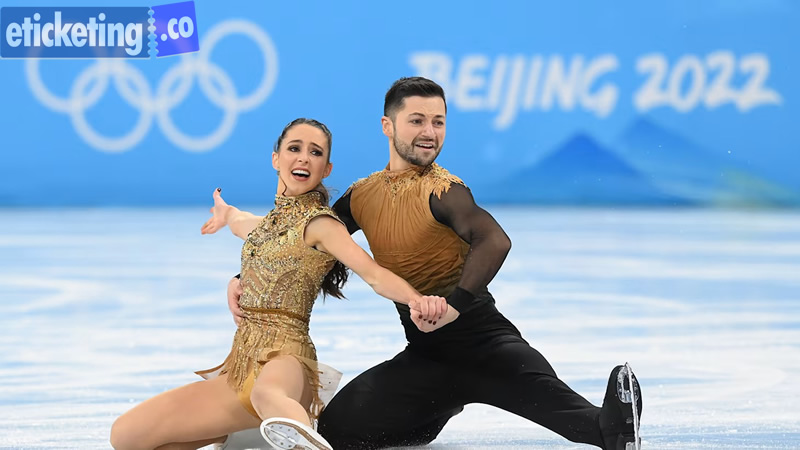
That clarity matters most when margins tighten. In high-level Winter Olympic figure skating, medals are often decided by fractions and impressions as much as elements and levels. Teams that skate with conviction leave judges less room for doubt. Fear and Gibson’s growing assurance reads in their posture, their musical commitment, and the way they carry programs from first beat to final pose. As expectations rise toward the Olympic cycle, that grounded confidence may be the difference between simply being noticed and truly being remembered.
Winter Olympic Figure Skating: Confidence Without Compromise
Lilah Fear and Lewis Gibson are no longer asking for permission to be bold. They have entered a chapter defined by self-trust, creative freedom, and unapologetic presence within elite Winter Olympic figure skating. Every movement now reflects intention rather than hesitation, confidence rather than compromise.
In choosing to own their skating on their own terms, they have done more than redefine their style—they have reshaped their competitive trajectory in international ice dance. As the Olympic horizon approaches, that clarity may prove as powerful as any technical element. In Winter Olympic figure skating, confidence is visible, felt, and judged in real time. And right now, Fear and Gibson are skating with nothing to hide.
Experience the magic and excitement as fans from around the world gather to celebrate the spirit of the Games. Secure your Olympic Opening Ceremony Tickets now and create memories that will last a lifetime at the unforgettable Winter Olympic 2026.