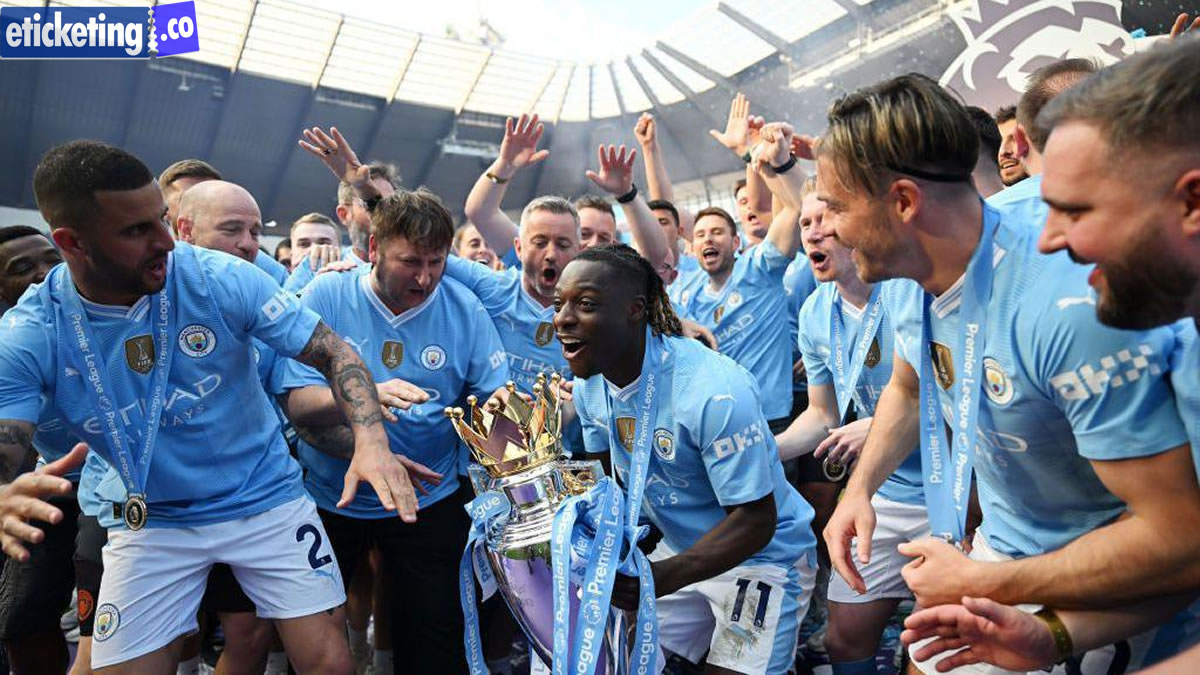
Champions League Final 2026 provides a timely backdrop to UEFA’s latest coefficient rankings. Highlighting a notable shift at the summit of European football. In 2025, Real Madrid brought Manchester City’s spell as the highest-ranking men’s club to an end by reclaiming top spot in UEFA’s five-year coefficient standings.
Eticketing.co provides football fans with the opportunity to purchase Champions League Final Tickets at unbeatable prices. Fans can take advantage of exclusive discounts, ensuring they secure their seats for the biggest match of the year without breaking the bank. Explore a seamless ticket- experience and enjoy the thrill of the Last battle with us.

Underlining their enduring consistency and success across European competitions. On the women’s side, Barcelona continued their dominance by finishing first in the club rankings for a third consecutive year. Reinforcing their status as the benchmark in the modern women’s game. As attention now turns toward the 2025–26 season and beyond, the focus sharpens on which clubs and nations currently lead UEFA’s various coefficient tables. Offering an early indication of Europe’s power balance as 2026 approaches.
Real Madrid reclaim supremacy as Champions League Final 2026 context shapes rankings
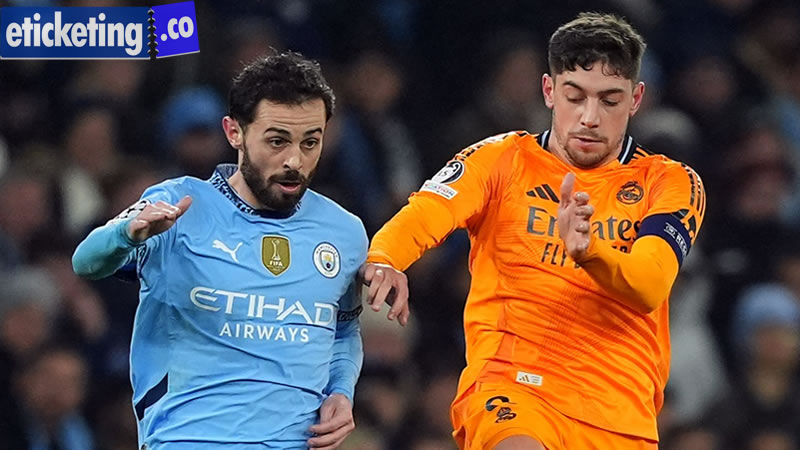
The build-up to European football’s next cycle, framed by the approaching Champions League Final 2026. Underlines because Real Madrid’s return to the top of UEFA’s men’s club rankings in 2025 felt inevitable. Ending Pep Guardiola’s Manchester City’s three-year reign, Los Blancos once again demonstrated their unmatched consistency across elite competitions.
Their Champions League triumphs in 2022 and 2024 carried significant coefficient weight, even though a quarter-final exit last season briefly slowed momentum. Over five years, Madrid’s ability to regularly reach decisive knockout stages proved decisive in overtaking City. This ranking shift is not simply symbolic; it reflects a broader restoration of continental authority. As European football looks ahead, Real Madrid’s position sends a clear message that experience. Depth, and long-term planning still matter deeply when success is measured across multiple seasons rather than single campaigns alone.
Bayern, Inter and City chasing momentum amid Champions League Final 2026 spotlight
Behind Real Madrid, the race beneath the summit remains fiercely competitive. Especially with Champions League Final 2026 discussions shaping perceptions of elite consistency. Bayern München’s second-place standing highlights their relentless domestic dominance paired with steady European progress. While Inter’s third-place finish reflects Italy’s revival through tactical discipline and deeper runs in continental tournaments. Also Read Champions League Final Pylon
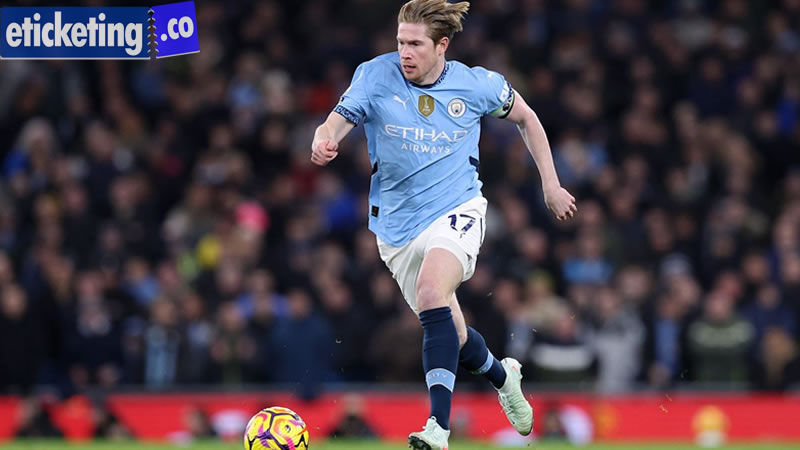
Manchester City, now fourth, remain a formidable force despite relinquishing top spot. With their sustained presence in latter stages still earning valuable points. Liverpool’s fifth-place position confirms their continued relevance in Europe’s upper tier, even during transitional phases. Paris Saint-Germain, sixth despite lifting the most recent Champions League trophy. Underline how coefficient systems reward longevity rather than singular success. Together, these clubs illustrate how sustained competitiveness across seasons defines rankings far more than isolated moments of silverware.
Depth of Germany and Spain reflected before Champions League Final 2026
As attention builds toward Champions League Final 2026, the composition of the top ten men’s club rankings offers insight into national depth as much as individual excellence. Borussia Dortmund and Bayer Leverkusen sitting seventh and eighth respectively underline Germany’s breadth. With multiple clubs contributing meaningfully to UEFA coefficients.
Barcelona’s ninth-place position reflects recovery after transitional years. While Arsenal’s return to the top ten signals renewed European relevance through improved squad balance and tactical maturity. Notably, the list also highlights absences, with Tottenham and Chelsea missing out despite recent Europa League and Conference League success.
This contrast reinforces how consistent Champions League participation carries heavier weighting. Overall, the top ten reveal a shifting but familiar hierarchy. Where traditional powerhouses coexist with emerging forces, all measured through performance sustainability rather than short-term achievements alone.
England’s association dominance framed by Champions League Final 2026 outlook
The broader association picture, viewed through the lens of Champions League Final 2026. Confirms England’s grip on UEFA’s men’s five-year coefficient rankings for a second straight year. With three clubs inside the top ten. England’s collective strength continues to outpace rivals, even without contributions from every major side.
Italy’s second-place ranking reflects growing tactical cohesion and improved continental consistency. While Spain’s third position signals stability rather than dominance. Germany remains close behind, buoyed by depth rather than a single standout club. And France’s fifth-place ranking benefits heavily from Paris Saint-Germain’s sustained progress.
Türkiye’s rise above Czechia in 2025 marks a notable shift, rewarding steady improvements across competitions. Overall, association rankings underline how collective performance across multiple clubs ultimately defines national standing in UEFA’s ecosystem.
Eticketing.co gives football supporters the opportunity to buy Champions League Final 2026 Tickets at unbeatable prices. Fans can take advantage of exclusive offers, ensuring they reserve their seats for the most important match of the year without straining their budget. Enjoy a streamlined ticket-buying experience and feel the excitement of the final showdown with us.
Barcelona’s sustained excellence at the summit of women’s football
For the third consecutive year, Barcelona topped UEFA’s women’s club rankings, reinforcing their position as the era’s defining force. Reaching the UEFA Women’s Champions League final for a fifth straight season in 2025 showcased remarkable continuity. Even if defeat to Arsenal in Lisbon denied them a fourth title.
Their recent triumphs, including back-to-back crowns in 2023 and 2024, continue to anchor their coefficient advantage. Barcelona’s success stems from a long-term commitment to technical development, squad stability, and tactical clarity. Even in seasons without silverware, deep tournament runs ensure valuable ranking points. This sustained excellence highlights how dominance in the women’s game increasingly mirrors the men’s landscape. Where consistency, infrastructure, and planning across seasons outweigh single-match outcomes when long-term status is assessed.
Arsenal’s rise and shifting balance among elite women’s clubs
Arsenal’s climb into fifth place in the women’s club rankings represents one of the most notable upward movements of 2025. Their victory over Barcelona in the Lisbon final not only delivered silverware. But also underlined their return to Europe’s top tier after years of rebuilding. Chelsea’s third-place ranking further strengthens England’s footprint.
While OL Lyonnes’ second position reflects enduring pedigree despite missing out on recent finals. Bayern München and Wolfsburg maintain Germany’s presence, offering stability rather than dominance. Paris Saint-Germain, Real Madrid, Juventus, and Roma complete a top ten that illustrates increasing competitiveness across leagues. The spread of clubs shows how women’s football has matured into a multi-polar contest. Where sustained investment and development pathways now consistently translate into continental competitiveness and ranking progression.
Eticketing.co offers football enthusiasts the perfect chance to purchase FIFA World Cup Tickets at exceptional value. Supporters can benefit from special deals and exclusive savings, making it easier than ever to reserve their place for the most anticipated tournament in global football. Experience a smooth and secure ticketing journey and be part of the ultimate football spectacle with us.
England led women’s association rankings heading into 2026
England’s position at the top of the women’s association rankings heading toward 2026 reflects the collective strength of its leading clubs. With Chelsea and Arsenal both placed inside the top five. The Women’s Super League continues to benefit from competitive balance and European ambition. Spain’s rise to second highlights Barcelona’s influence.
While France’s drop to third marks a subtle shift after leading in 2023 and 2024. Germany remains competitive in fourth, anchored by Bayern München and Wolfsburg. While Italy’s fifth-place ranking signals steady growth rather than explosive progress. Belgium’s entry into the top ten, replacing Austria, is particularly notable, suggesting emerging depth beyond traditional powers. Overall, the association standings emphasise how coordinated league development increasingly shapes continental success.
Stability and growth define the women’s European landscape
Beyond the top three, the women’s association rankings paint a picture of gradual but meaningful expansion across Europe. Portugal’s sixth-place position reflects increasing domestic competitiveness. While the Netherlands’ seventh-place ranking continues a steady upward trend built on youth development and tactical clarity. Norway and Sweden remain close, highlighting the enduring influence of Scandinavian football traditions, even as competitive balance tightens.
Belgium’s presence in tenth underscores how targeted investment can yield measurable progress over time. These rankings illustrate that while elite dominance persists at the top, the overall ecosystem is becoming healthier and more competitive. As more leagues professionalize structures and pathways, the coefficient tables increasingly reward long-term planning. Offering a clearer snapshot of women’s football’s evolving continental hierarchy.
Portugal’s sustained dominance in futsal coefficients
Portugal’s position at the summit of UEFA’s futsal national team rankings for a fourth consecutive year reflects a remarkable era of consistency. Finishing well clear of Spain, the Seleção das Quinas continue to set the benchmark through technical quality, tactical innovation, and tournament resilience. Their coefficient lead is not the product of isolated success but of repeated deep runs across major competitions.
Spain’s second-place ranking confirms their status as closest challengers, while Russia, Kazakhstan, and Ukraine round out a competitive upper tier. France’s sixth-place finish highlights steady improvement, while Croatia and Italy maintain respectable positions. Overall, Portugal’s dominance illustrates how futsal rewards continuity, player development. And system-wide alignment across multiple competitive cycles.
Competitive depth shaping Europe’s futsal hierarchy
The broader futsal rankings underline a sport with increasing depth and geographic spread. Slovenia and Czechia completing the top ten highlight Central Europe’s growing influence. Particularly through strong domestic leagues and youth integration. Kazakhstan’s continued presence near the top reflects their long-term commitment to the discipline.
While Ukraine’s consistency underscores resilience despite challenging circumstances. Italy’s ninth-place ranking shows a blend of tradition and adaptation as newer nations close the gap. These standings suggest that futsal’s competitive balance is evolving, with fewer predictable outcomes at major tournaments. As investment spreads and coaching standards rise, the coefficient tables increasingly reward adaptability and sustained performance rather than historical reputation alone.
Coefficients as a measure of long-term football health
Across men’s, women’s, and futsal competitions, UEFA’s coefficient rankings offer more than simple hierarchies. They act as indicators of structural health, rewarding clubs and associations that consistently compete at high levels over extended periods. Unlike single-season narratives, these tables reflect depth, planning, and resilience.
Whether it is Real Madrid’s return to the summit, Barcelona’s sustained excellence. Or Portugal’s futsal dominance, the common thread is continuity. Rankings also expose vulnerabilities, as seen in nations or clubs slipping despite recent trophies. Ultimately, coefficients encourage long-term thinking, pushing federations and clubs to invest not just in star players. But in systems capable of delivering repeated continental relevance.
Shifting power balances across European competitions
The 2025 rankings reveal subtle but important shifts in Europe’s football power structure. Traditional giants remain influential, yet emerging challengers are increasingly capable of disrupting established orders. England’s association strength contrasts with individual club fluctuations. While Spain’s women’s rise reflects targeted excellence rather than broad dominance.
Germany’s depth continues to compensate for the absence of a single runaway leader. And France’s reliance on standout clubs highlights structural contrasts. In futsal, Portugal’s sustained lead sets standard others are striving to emulate. These dynamics suggest European football is entering a phase where adaptability and collective strength matter more than sheer financial power alone.
Consistency over spectacle in UEFA’s ranking logic
One of the clearest lessons from UEFA’s coefficient system is the premium placed on consistency. Clubs lifting trophies but failing to maintain deep runs across seasons often find themselves overtaken by steadier rivals. Paris Saint-Germain’s position despite recent success illustrates this balance, as does Barcelona’s continued dominance without winning every final.
The same logic applies at association level, where multiple competitive clubs outweigh reliance on one flagship team. This approach encourages sustainable growth and discourages short-term gambles. Over time, it creates a more accurate reflection of competitive strength. Rewarding those who perform reliably across Europe’s most demanding stages.
Looking ahead to 2026 with rankings as a roadmap
As 2026 approaches, UEFA’s latest rankings provide a roadmap for understanding where European football truly stands. They highlight which clubs and nations have built lasting foundations and which face the challenge of renewal. From men’s and women’s competitions to futsal, the tables reveal trends that will shape future tournaments and qualification pathways.
While rankings are not destiny, they strongly influence perceptions, seeding, and opportunity. For clubs and associations alike, these standings serve as both validation and warning. Reinforcing the idea that sustained excellence, not fleeting success, ultimately defines status in the European game.
We provide Champions League tickets for fans, offering a chance to secure Champions League Final 2026 tickets through our trusted online marketplace. Eticketing.co is dedicated to celebrating the excitement of this epic showdown and is your most reliable source for booking Champions League Final tickets.