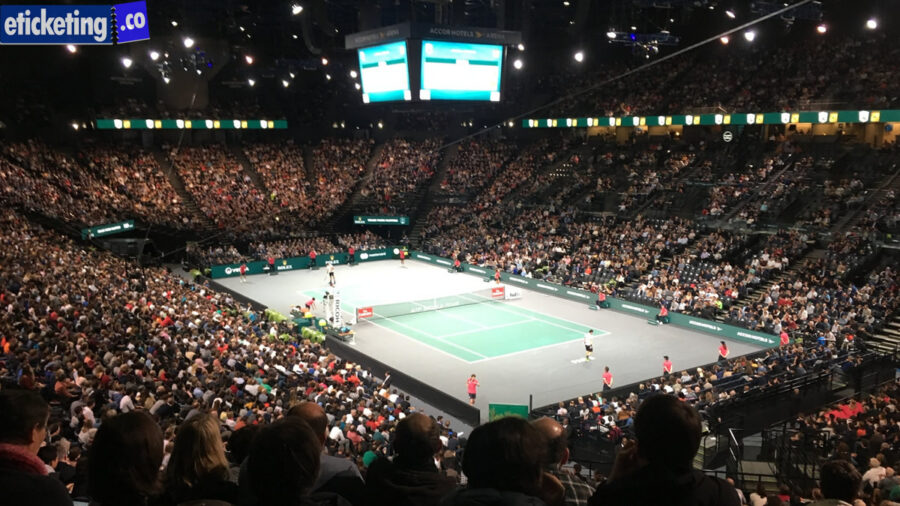
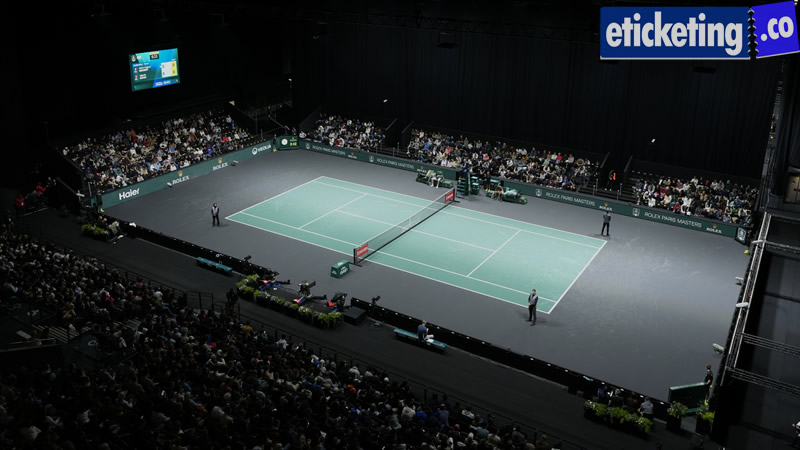
The Rolex Paris Masters 2026 ends on October 31. It runs until November 8. All competitions take place at La Défense Stadium in Nanterre. This year celebrates the 40th anniversary of the event. Players compete over nine busy days of tennis. A piece of the puzzle: the contest ends at the Paris Masters 2026 on Sunday. Make sure to scratch these key days in your calendar.
Lock in your Paris Masters 2026 Tickets now and catch quick, thrilling indoor tennis from great seats. The early rounds deliver nonstop action while rising stars chase a career-defining moment. Book your Paris Masters Quarter Finals Tickets at eticketing.co without delay, since the best seats go a little faster every day.
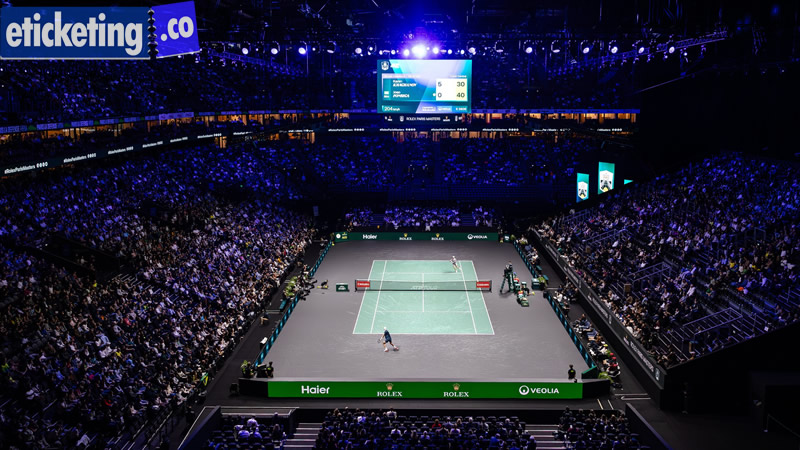
The venue is also known as Plenitude Arena. Its address is 99 Jardin de l’Arche in Nanterre. Singles and doubles matches follow the same schedule. This version of the Paris Masters 2026 includes the Controllers 1000 category. The Rolex Paris Masters also features qualifying rounds. Opening times vary by day and session. Be sure to check them before the tournament begins.
The workweek is structured to provide a steady progression. Early rounds set the stage for the Paris Masters Quarter Finals, which happen next. Then the Paris Masters Semi Finals reduce the field to four players. This flow gives the week a natural, informal feel. Later sections explain each stage in more detail. This guide has all the important dates in one place.
Paris Masters 2026 Credits Gaël Monfils Happening the Night of Nov 3
The French Tennis Alliance is holding a special ceremony. It honors Gaël Monfils. The event is on Tuesday, November 3. It occurs during the evening session of that day. This puts it before the Paris Masters Quarter Finals. This tribute is a significant part of the Rolex Paris Masters opening week. Monfils is expected to attend in person.
Book your Rolex Paris Masters 2026 Tickets today and see top-level tennis up close in the heart of France. The game’s biggest stars are preparing for a gripping contest, and premium seats are nearly sold out. Purchase your official tickets at eticketing.co and secure your spot inside the arena.
Monfils has concluded his professional tennis career. He has won 13 titles on the main tour. This farewell event gives the Paris Masters 2026 a special touch. It adds meaning to the opening days. His long history with the Paris Masters explains the tribute. His past performances in Paris tell the story.
Monfils has participated in this event 11 times. He reached the final in 2009 and 2010. These feats tie him to the Paris Masters Final. Center court matches that evening start no earlier than 7 p.m. This is the plan for the Rolex Paris Masters 2026 twilight event. The Paris Masters Semi Finals come much later in the week.
Starts With Pass Days and Paris Masters Quarter Finals Key Highlights
Qualifying rounds take place on October 31 and November 1. Entrances open at 10:30 a.m. On those days. These matches set the stage for the main draw. Each qualifier is fighting for a spot. The Rolex Paris Masters then moves to a bigger stage. This path leads players step by step toward the Paris Masters Semi Finals.
The main draw begins on Monday, November 2. Day and evening sessions continue through Friday, November 6. That Friday also features the Paris Masters Quarter Finals. Paris Masters 2026 asks fans to stay alert from the start. Early matches help set the pace. Strong starts are important in a packed schedule. Each win keeps a player moving toward Sunday.
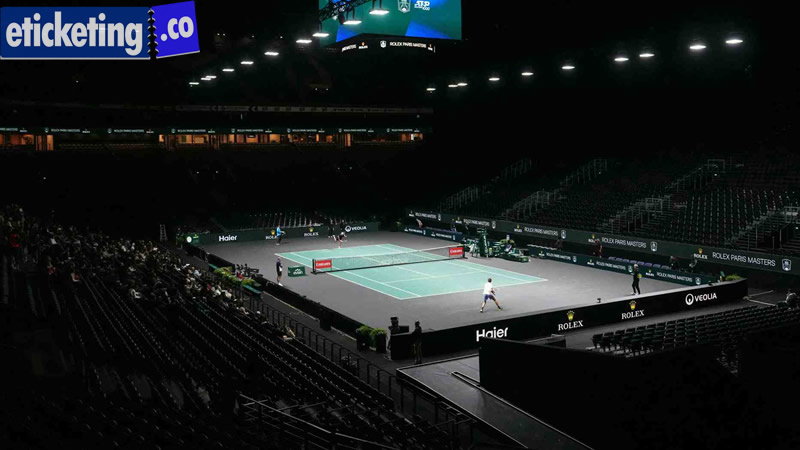
Grab your Rolex Paris Masters Tickets now and watch the finest players give everything on court. The stakes climb as the remaining contenders meet in fierce, win-or-go-home battles. Act fast and book your Paris Masters Quarter Finals Tickets at eticketing.co for an arena night you will talk about for years.
The Rolex Paris Masters 2026 schedule outlines the path for all players. Each round removes some names. This pattern continues until the final on Sunday. Paris Masters play remains tightly ordered from the beginning to the end. A single loss can change the entire week. Every player hopes to reach the Paris Masters Final. Only two players will ever make it there.
Changes Toward the End Rolex Paris Masters 2026 Knockout Matches
Pressure increases as the week progresses. The Paris Masters Quarter Finals reduce the field from eight to four players. Every point becomes crucial at this stage. Matches become more intense. The margin for error decreases. Players must maintain focus in every game. Strong serving and calm nerves often decide tight matches.
Saturday, November 7 is the key day. I look forward to Saturday, November 7. The first match starts at 2:30 p.m. The second match begins at 5 p.m. These matches decide who reaches the final on Sunday. The Rolex Paris Masters 2026 sees two players locked in a title rivalry. Both Paris Masters Semi Finals will be highly vital. Each player needs to be ready when their court time comes.
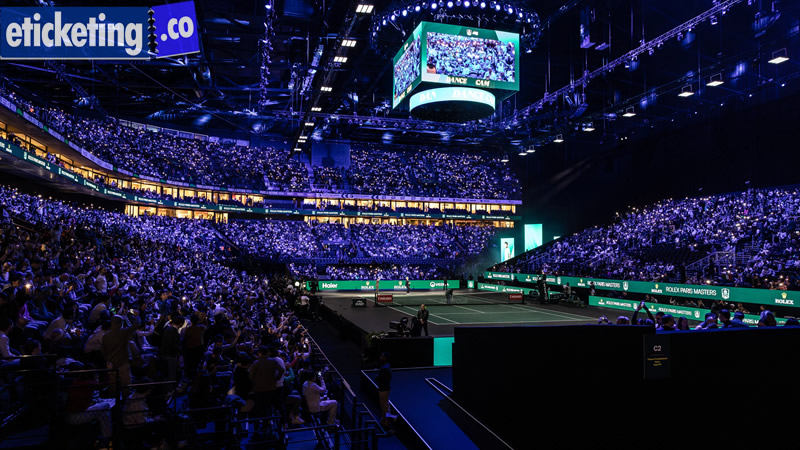
The Rolex Paris Masters 2026 schedule is easy to follow. The event begins on Friday with the first round, followed by the second round on Saturday. Sunday concludes the tournament with the final match. The Paris Masters Final takes place on that final day. The doubles teams also compete on Sunday, marking the end of their Paris Masters campaign.
Order your Rolex Paris Masters Tickets today and see elite athletes push their limits on court. Nerves tighten as the final few contenders clash in intense, all-or-nothing matches. Don’t delay, claim your Paris Masters Semi Finals Tickets at eticketing.co and soak up a truly electric night inside the arena.
Each stage of the Paris Masters Final event increases in rank and care
Having a clear plan helps you track every key match. Sunday, November 8, brings the event to a close. The doubles final starts at 12:30 p.m., followed by the singles final at 3 p.m. This title match is the highlight of the Paris Masters. Both matches bring the schedule to an end. The Paris Masters 2026 wraps up for this year.
Each stage of the event adds more intensity and pleasure. Wheelchair tennis is also part of the event. Matches run from November 6 to November 8. They form the final events of the Rolex Paris Masters. The 2026 edition gives wheelchair tennis a special place in the event’s finale. This adds variety to the final weekend. Singles and doubles are not the only competitions.
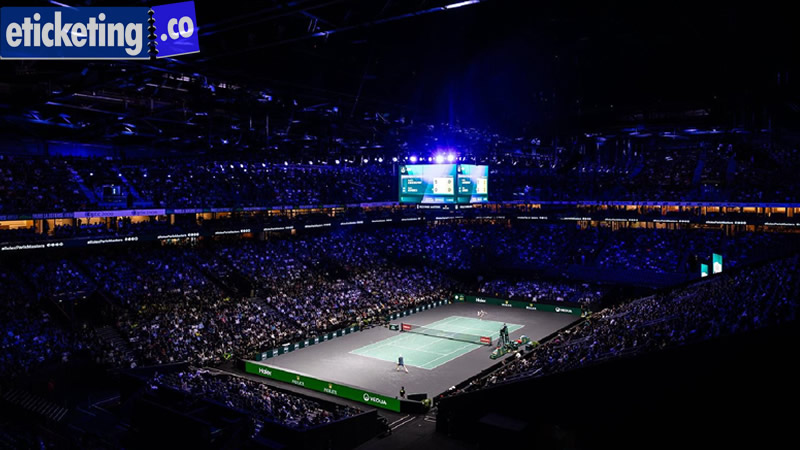
This rounds out a busy week. The event builds from smaller matches to bigger ones. The first round opens the door. The Paris Masters Quarter Finals raise the stakes. The Semi Finals bring more intensity. Sunday delivers the final fight. I love how Sunday brings the action to a close. Each stage on Sunday has its own mood and worth. The Rolex Paris Masters 2026 schedule ensures that every match is closely followed.
Pick up your Rolex Paris Masters 2026 Tickets now and enjoy world-class tennis live in Paris. Energy fills the arena as the leading contenders fight for lasting glory. Visit eticketing to choose your favourite seats and watch live tennis at its best.
Frequently Asked Questions
Q: When does the Paris Masters 2026 take place?
It runs from October 31 to November 8 at La Défense Arena in Nanterre.
Q: When is the Gaël Monfils tribute?
The ceremony is planned for the evening session on Tuesday, November 3.
Q: Where can I buy Paris Masters Quarter Finals Tickets?
You can buy Paris Masters Quarter Finals Tickets at eticketing.co before the best seats sell out.
Q: Where can I get Rolex Paris Masters Tickets?
You can get Rolex Paris Masters Tickets at eticketing.co and pick your preferred seats.
Q: How do I book Paris Masters Semi Finals Tickets?
You can book Paris Masters Semi Finals Tickets at eticketing.co in just a few steps.